Ninh Binh is open year-round, with most sites welcoming visitors daily. Boat routes at Trang An and Tam Coc start early in the morning and run until late afternoon. Temples like Hoa Lu and Bai Dinh Pagoda typically stay open through daylight hours, with Bai Dinh also lit beautifully in the evenings. Timings may vary slightly during Tet or heavy rain.
Explore Ninh Binh in Vietnam | Highlights, visitor’s guide & more
What is Ninh Binh?
Ninh Binh is a picturesque region in northern Vietnam, where towering limestone cliffs rise from the lush green rice fields, and winding rivers flow through hidden caves and valleys. This peaceful area offers a mix of natural beauty and cultural heritage, with highlights like the UNESCO-listed Trang An, where visitors can take quiet boat rides through caves, and the ancient capital of Hoa Lu, home to historic temples. Its quiet rural villages and scenic cycling routes offer an intimate look at traditional Vietnamese life, making it a perfect retreat for nature lovers and those seeking a slower pace.
Plan your visit to Ninh Binh
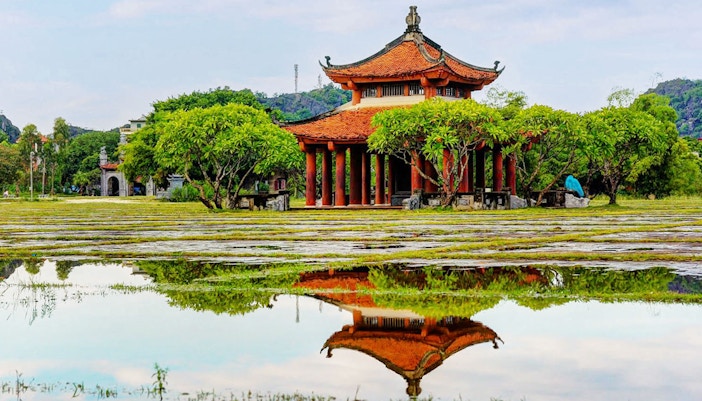
Opening hours

Best time to visit
The best months are February to April for cool weather and lush green landscapes. May and June bring golden rice fields, while September to November offer clear, dry days perfect for hiking and boating. Weekdays are quieter than weekends, and mornings are ideal for boat rides before the crowds arrive.

Location
Ninh Binh lies about 100 km south of Hanoi in the Red River Delta. Popular areas like Trang An, Tam Coc, Hoa Lu, Mua Cave, and Bai Dinh Pagoda are scattered around rural districts connected by short drives. Visitors can arrive by bus, train, or guided transfers from Hanoi’s Old Quarter, with most routes taking 1.5–2 hours.
What to do in Ninh Binh

Rowboat journeys
Travel through quiet river passages framed by cliffs in Trang An or Tam Coc. These gentle rides last 1.5–3 hours, passing caves, valleys, and tranquil stretches ideal for first-time visitors and families.

Panoramic viewpoints
Climb Mua Cave Viewpoint for sweeping views over rice fields and winding rivers. The stone steps are steep but manageable, and the best light is early morning or late afternoon.
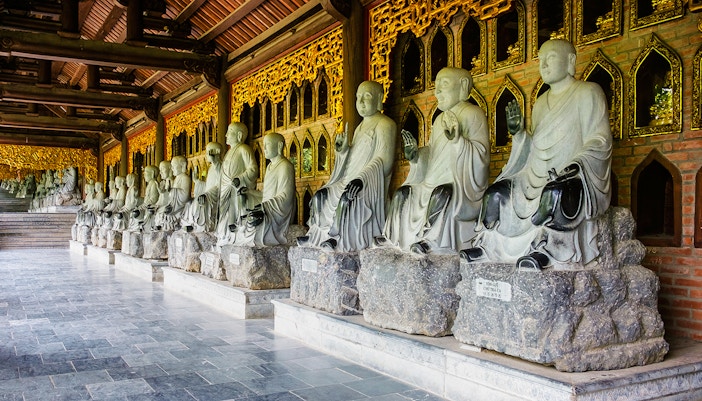
Temples and cultural sites
Step into Vietnam’s early history at Hoa Lu Ancient Capital, then explore Bai Dinh Pagoda’s courtyards, towers, and long corridors lined with Buddha statues. Bai Dinh suits visitors interested in architecture, spirituality, and quieter evening walks.

Cycling through the countryside
Ride along flat village paths past fields, rivers, and water buffalo. This is a relaxed way to connect the main attractions at your own pace, especially between Tam Coc and Hoa Lu.
What to see in Ninh Binh

1/5
Trang An river caves
A serene boat journey through quiet river tunnels, limestone cliffs, and lush valleys. Early mornings offer the calmest waters and soft light, making the cave passages and towering karsts feel even more atmospheric and immersive.
Mua Cave Viewpoint
A short but steep climb rewards you with sweeping views of rice fields, winding rivers, and dramatic karst peaks. Colours change across seasons, with sunrise and late afternoon offering especially beautiful lighting for photos.
Hoa Lu Ancient Capital
Vietnam’s 10th-century capital features traditional temples, stone gateways, and scenic courtyards backed by mountains. It’s a compact, peaceful stop where you can learn about early dynasties while exploring structures that blend naturally with the surrounding landscape.
Bai Dinh Pagoda
One of Vietnam’s largest Buddhist complexes, known for its long corridors lined with statues, spacious courtyards, and a towering stupa overlooking the valley. The mix of architecture, calm atmosphere, and evening lighting makes it a standout cultural site.
Tam Coc rice fields
A wide valley of golden or green rice fields surrounded by limestone peaks, best seen during harvest or from the river. The scenery feels open, peaceful, and perfect for relaxed photography or cycling through nearby village paths.
History of Ninh Binh in a nutshell
Ninh Binh’s karst formations were shaped over millions of years by rising seas and erosion, creating today’s cliffs and river caves. The region later became Vietnam’s first capital at Hoa Lu in the 10th century under the Dinh and Le dynasties. Over time, temples and pagodas, including the modern Bai Dinh Pagoda complex, emerged as important spiritual and cultural landmarks. Tourism developed as travelers sought the quiet beauty of its rivers, rice fields, and historical terrain, now preserved within the UNESCO-recognized Trang An Landscape Complex.
Nature & wildlife in Ninh Binh
Wetlands, forests, and karst valleys support diverse species across the region of Ninh Binh. Van Long Nature Reserve shelters langurs, birds, and freshwater habitats, while lotus lakes bloom seasonally near Bai Dinh Pagoda and Trang An. You can help protect these fragile ecosystems by following marked paths, avoiding litter, and respecting wildlife-rich zones.
Tips for visiting Ninh Binh
- Start early to enjoy quiet boat rides and cooler weather.
- Wear good walking shoes for viewpoints and temple grounds.
- Carry sun protection and light layers year-round.
- Keep small cash for entrances, parking, tips, and local purchases.
- Book tours in advance during weekends or national holidays.
Frequently asked questions about Ninh Binh
Ninh Binh is known for its limestone karst landscapes, peaceful river routes, ancient temples, and cultural sites like Hoa Lu and Bai Dinh Pagoda. Visitors come for scenic boat rides, panoramic viewpoints, and quiet countryside views.
Ninh Binh is about 90 kilometers from Hanoi. Most visitors reach it in 1.5 to 2 hours by car, minivan, or bus. Day trips are easy and popular because travel times are short and predictable.
Yes. Most visitors cover Trang An or Tam Coc, Hoa Lu or Bai Dinh, and Mua Cave Viewpoint in one day. Travel time is short enough to fit sightseeing, lunch, and a boat ride comfortably.
Pack light layers, comfortable shoes, sun protection, and a rain cover in wet months. Bring cash for local snacks or temple donations. A small backpack keeps things easy during boat rides and hikes.
Some attractions offer accessible paths, especially around Bai Dinh Pagoda, but boat rides, temple steps, and viewpoint hikes involve uneven surfaces. It’s best to check individual activity requirements before booking.
February to April and September to November offer pleasant weather and colourful scenery. Rice fields look best in June–July and September–October. Midday can be warm, so morning starts are recommended.
Choose Trang An for caves and dramatic cliffs, or Tam Coc for open rice fields and countryside charm. Both offer scenic boat rides, and the choice depends on whether you prefer caves or wide landscapes.
Yes. Bai Dinh is one of Vietnam’s largest Buddhist complexes with long statue corridors, spacious courtyards, and an impressive stupa. It’s a great stop for those who enjoy cultural sites, architecture, and peaceful surroundings.
Advance booking helps secure preferred routes and guaranteed transfers from Hanoi. Boat ride queues can be long during weekends and holidays, so booking early makes the day more efficient.
Yes, boat rides at Trang An and Tam Coc are calm and slow. Children should wear comfortable clothing and stay seated throughout the ride. Families often find these routes relaxing and scenic.


